ARC Music Festival’s biggest year yet leaned on Chicago and Detroit’s shared history
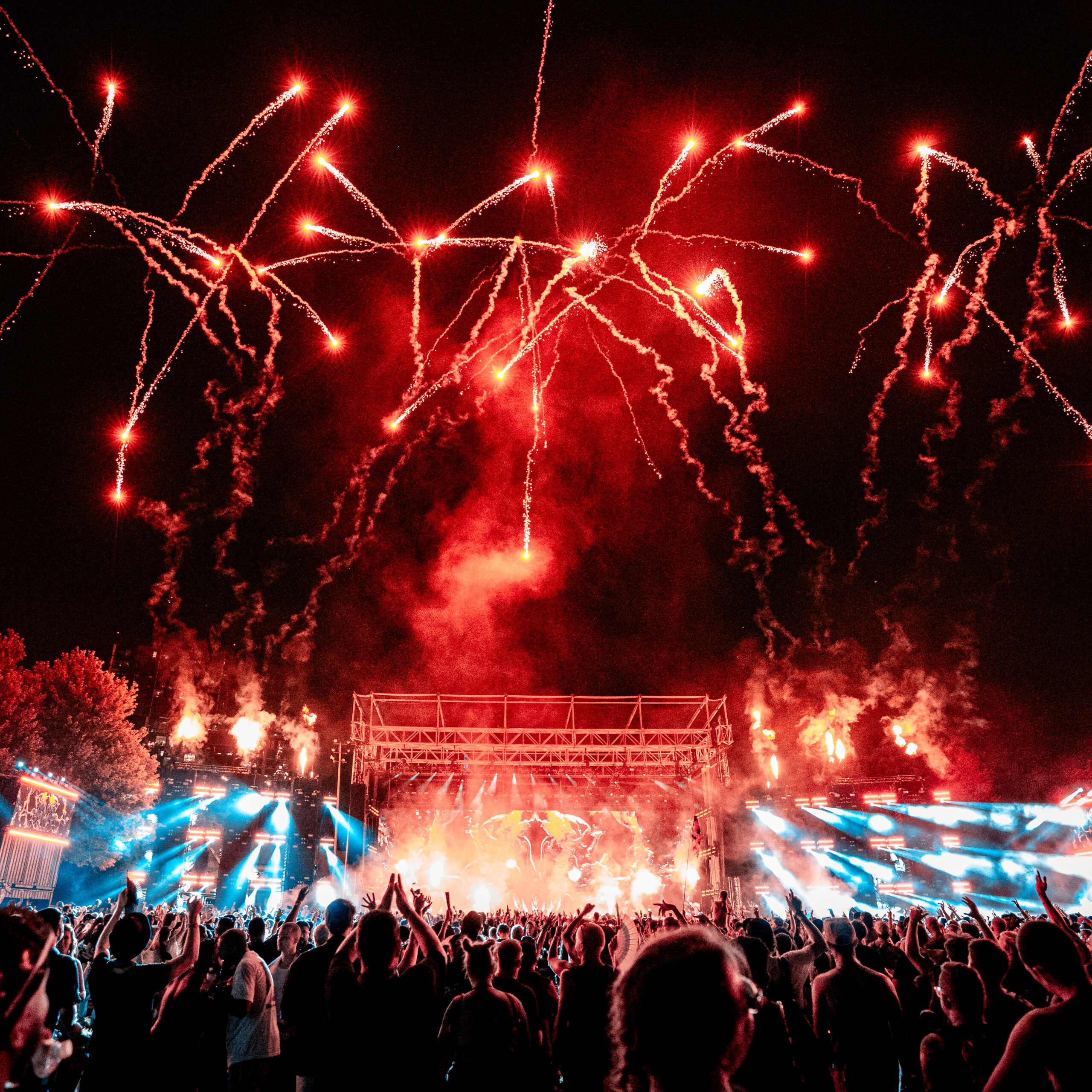
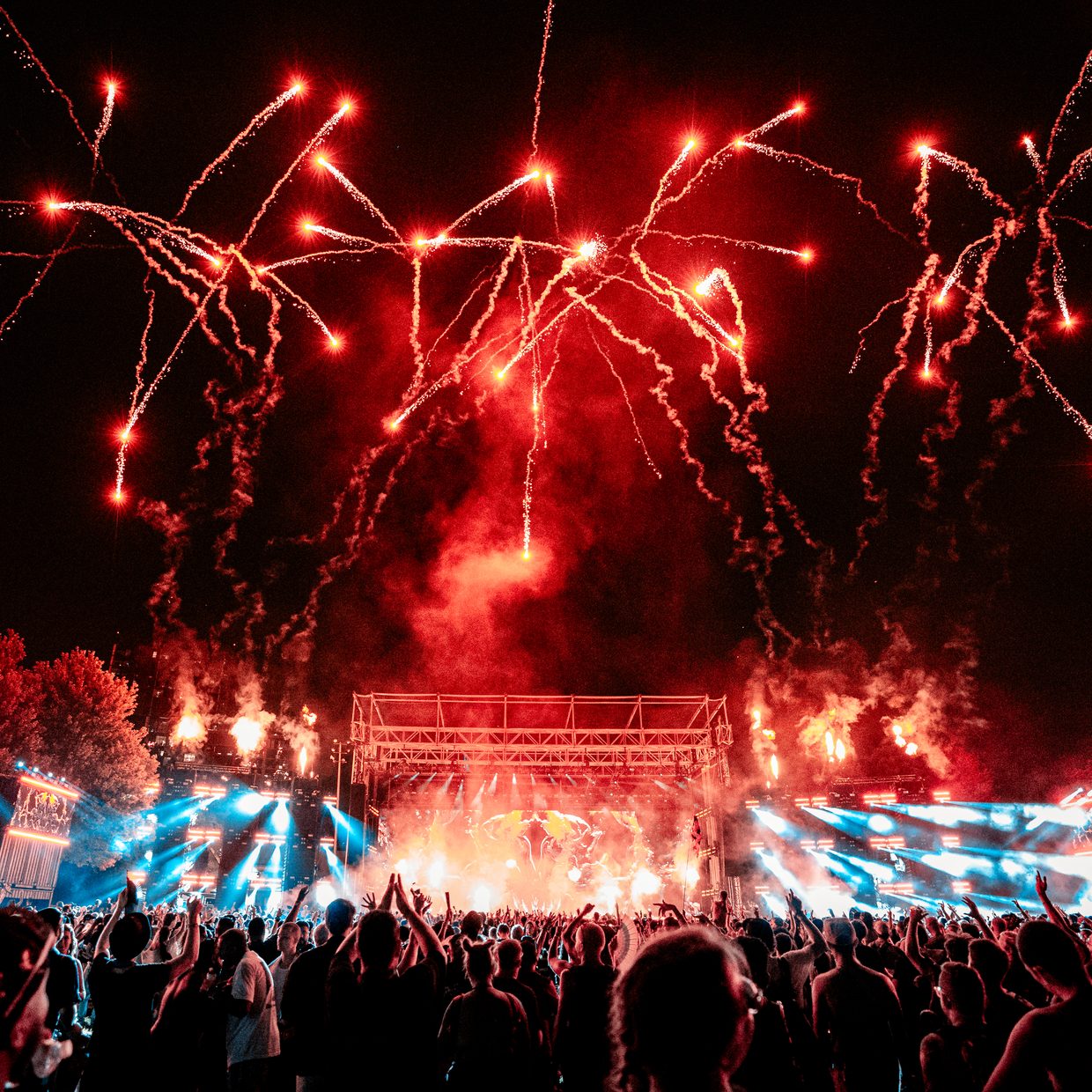
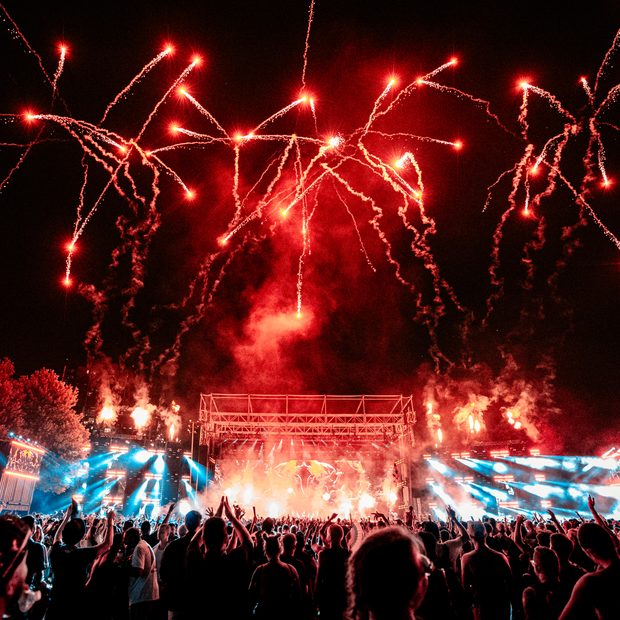
Over Labor Day weekend, the sixth edition of ARC Music Festival returned to Union Park for its biggest year yet, expanding to four days while continuing to build its identity around the intertwined histories of Chicago house and Detroit techno.
Chicago’s claim on house music doesn’t need restating here. We’ve previously covered the Warehouse, Frankie Knuckles, and the five decades that turned that underground chicago club night into a global genre, and ARC leans on that history every year through its own tagline, “Where house comes home.”
The history of house gets more interesting when you leave Chicago and head a few hours east to Detroit, where another wave of electronic music was beginning: Detroit techno.
Detroit was listening to Chicago. Chicago was getting hardware and ideas from Detroit. And Chicago house records were selling in Detroit, but Detroit records were being made with Chicago dance floors in mind.
Both scenes were pulling from Kraftwerk, disco, funk, synthpop, Italo, and Black American music, but were filtering it through two different industrial Midwestern cities.
During the early and mid-1980s, Derrick May frequently traveled from Detroit to Chicago to visit his mother, and he kept finding his way to Chicago nightclubs: the Power Plant and the Music Box.
May heard Frankie Knuckles running reel-to-reel mastermixes at one club and Ron Hardy pitching records up to a frenzy at the other. He was also taping Chicago’s Hot Mix 5 off WBMX and hauling Italo disco and house records back to Detroit in his car.
Other Detroit DJs made the same drive, among them Eddie Fowlkes, Mike Clark, and Stacey “Hotwaxx” Hale. The music they were producing, radio tapes they recorded, records they found while crate digging, and even the hardware they used moved with them.
Around 1984, that exchange included one of electronic music’s most important pieces of hardware. Derrick May brought one of his Roland TR-909 drum machines to Chicago and sold it to Frankie Knuckles, giving the emerging Chicago house scene another direct connection to Detroit.
Chicago house and Detroit techno didn’t develop in isolation. They developed on the same corridor, trading records, tapes, and equipment until it got hard to say where one sound stopped and the other started.
The influence May brought back from Chicago eventually found a home at Detroit’s Music Institute, an underground niughtclub, where May became one of the club’s defining resident DJs. The club helped nurture Detroit’s second wave of producers, including Carl Craig and Stacey Pullen.
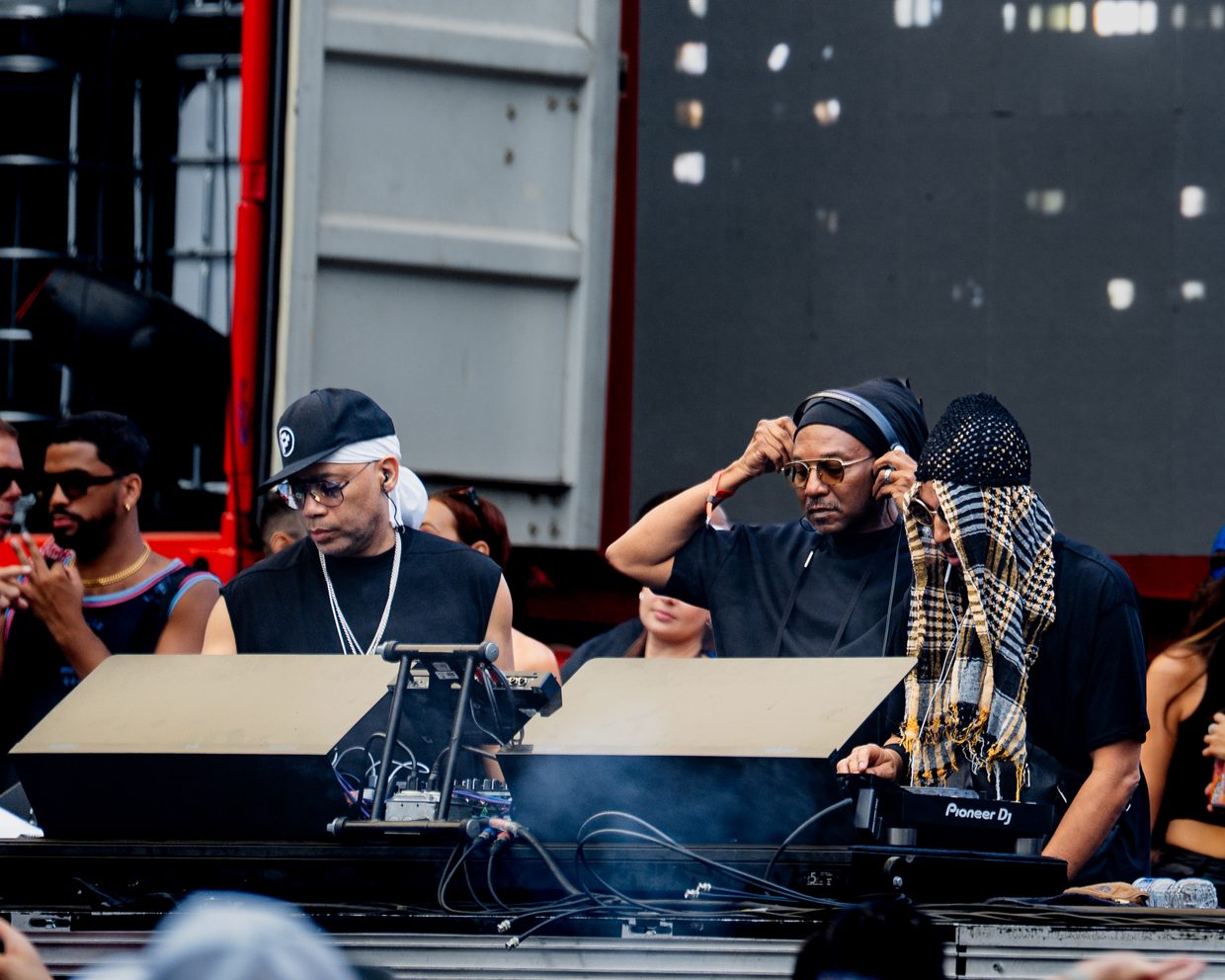
The exchange between the two cities never stopped, and it was in full view on Saturday when Craig and Pullen, with Kenny Dixon Jr., better known as Moodymann, took the stage as Detroit Love at Area 909. The group pulled sounds from both cities, blurring the lines between genres and showing just how tightly the two scenes remain connected.
This year marked ARC’s first four-day edition, running Sept. 4-7 across Union Park’s 13 acres, and the extra day gave the lineup more room to breathe, with more music overall and more opportunities for unique back-to-back sets. John Curley, ARC’s co-founder, called it “the beginning of a new era” when the lineup dropped.
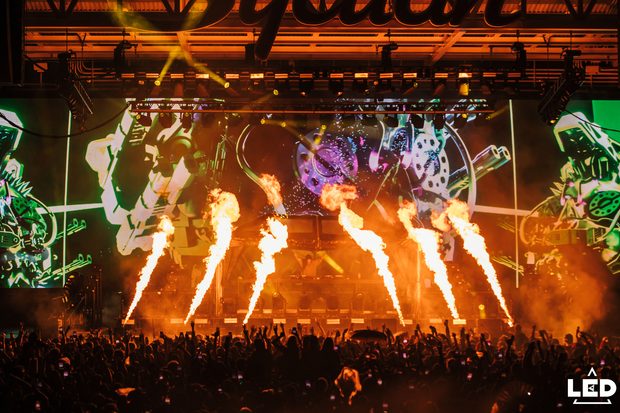
This “new era” made room for more international headliners like Underworld and Anyma to share the weekend with Chicago names like Honey Dijon, Derrick Carter, Mike Dunn, and Lil Louis, and local newcomers like Virago, who opened the Grid stage on Friday.
That “new era” was not without growing pains. Some of the most noticeable issues came from a redesigned festival footprint, as changes inside Union Park meant ARC had to rethink how its stages fit together.
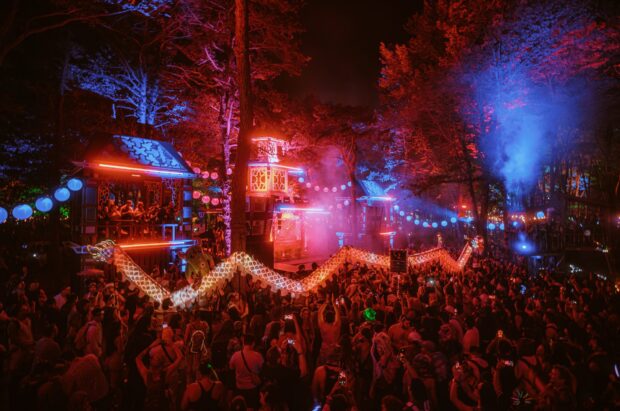
The former Elrow space was gone, with changes to the park and new tennis courts reshaping part of the grounds. Area 909 moved into roughly the space Elrow once occupied, while the Midway was introduced as the replacement for Elrow.
That new arrangement created one of the weekend’s most consistent complaints: sound bleed. The Midway in particular struggled to compete with the Grid, ARC’s main stage.
AD
You may also like
AD